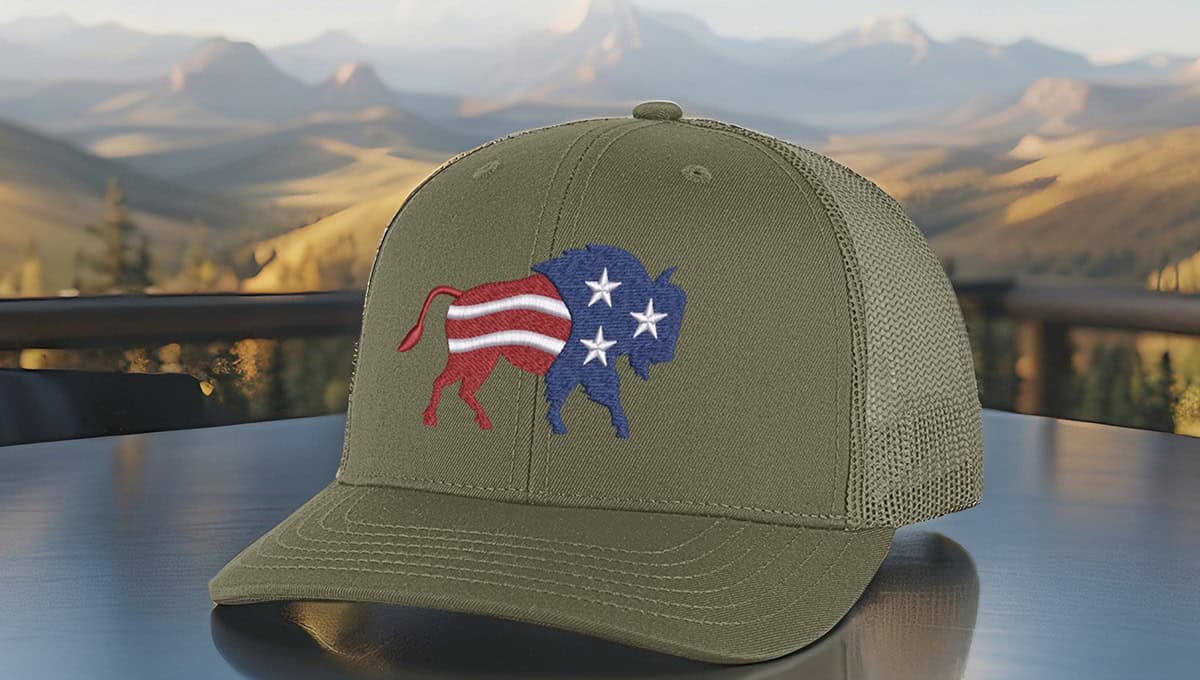
An embroidered hat is more than just a fashion accessory. It’s a personal statement, a favorite time-worn lid, a symbol of something you care about—whether it bears a logo, a cherished memory, or an icon embroidered in thread. To make sure your embroidered hats last a lifetime, not just a season, you need to treat them with care. From cleaning and drying to storage and wear habits, the difference between embroidered hats that stay crisp for years and those that fade, deform or unravel lies in how you look after them.
Whether you own patriotic baseball caps, embroidered trucker hats, or commemorative beanies, proper care ensures your investment stays looking fresh and maintains its structural integrity for years to come.
Gentle Cleaning: The Foundation of Embroidered Hats Longevity
The first key to keeping your embroidered hats sharp is cleaning them properly. Because the embroidery adds thread, texture and stitching that may be more delicate than flat fabric, you’ll want to avoid heavy scrubbing, high heat or aggressive washing.
Use cold water and a mild detergent—hot water and harsh chemicals may fade both the fabric and the threads, or distort the shape of the hat. According to fabric care experts, cold water helps preserve colors and prevents shrinkage, which is especially important for embroidered items.
Best practices for cleaning embroidered hats:
- Hand-washing is safest: Fill a basin with cold water and add a small amount of mild detergent
- Spot-clean stains: Use a soft cloth or very gentle brush around the embroidered area
- Lighten your touch: Aggressive rubbing can pull threads or distort the design
- Never use bleach: It will damage both fabric and embroidery threads
- Avoid machine washing: The agitation can damage delicate embroidery work
Once you’ve cleaned the hat, use a clean towel to blot away excess water—don’t wring or twist it. Then let it air-dry in a well-ventilated, shaded area. Avoid dryers, direct heat or full sunlight, which can shrink materials, cause color-fade and warp the structure.
For hats with brims or structured crowns, many owners support the shape by placing the hat over a bowl or using a head-form as it dries, ensuring the front stays upright and the embroidery lies flat and neat. This technique works especially well for structured baseball caps and patriotic caps with detailed embroidery.
Protecting Embroidered Hats from Environmental Wear
Cleaning is important, but even more crucial is preventing damage in the first place. Embroidered hats live through wear, sweat, sun exposure and travel—each of these factors can degrade the embroidery and fabric over time.
Be mindful of sweat stains in the band and crown; moisture and body oils can discolor threads, weaken stabilizers and eventually make the stitching look fuzzy or worn. Regularly check your hat, and if you notice a slight sheen where sweat has built up or the color around the sweatband is becoming dingy, give it attention before the problem intensifies.
Environmental factors that damage embroidered hats:
- UV Light: Prolonged sun exposure fades both fabric and embroidery threads
- Moisture: Rain and humidity can cause threads or backing to loosen
- Dust and Dirt: Particles work into embroidery, dulling appearance
- Body Oils: Natural oils from skin and hair break down fabric fibers
- Heat: High temperatures can distort hat shape and weaken adhesives
Store your embroidered hats away from direct sunlight and in a dry area when not in use. As a protection step, some hat owners apply a light protective spray to the fabric—this can repel light moisture and dirt. But always test any spray in an inconspicuous spot first, to make sure it doesn’t alter the color or texture.
This is particularly important for specialty embroidered designs and patriotic symbols where preserving the detail matters most.
Daily Wear and Proper Handling of Embroidered Hats
How you wear your embroidered hats matters. Grabbing the crown repeatedly, bending or forcing the brim into odd shapes, or stacking hats carelessly all lead to premature wear.
Handle your hat by the brim when putting it on or taking it off—this reduces stress on the crown and the embroidered front. Keep the crown upright, especially for structured hats, and avoid crushing or flattening it.
Proper handling techniques for embroidered hats:
- Grip the brim, not the crown: This prevents distorting the shape and embroidery
- Allow hats to air out: After wearing, loosen the sweatband and let moisture evaporate
- Use a soft brush: Gently remove dust and debris after each use
- Rotate your collection: Don’t wear the same hat daily to allow rest periods
- Remove before activities: Take off hats during intense physical activity to prevent excessive sweat
After wearing, loosen the sweatband and let the hat air out. This simple step helps moisture evaporate and prevents mildew or odor buildup. If you commute or travel, consider giving the hat a brief freshening with a dry, clean towel or soft brush after use. Over time, this keeps the embroidery crisp and clean rather than nestled under grime.
Smart Storage for Embroidered Hats Long-Term Shape
When embroidered hats are not on your head, where they rest affects how they survive. Never store your hat in a tightly packed drawer or under heavy weight. Instead, give it its own spot—ideally on a hat rack, a shelf, or in a hat box.
If the hat has a structured brim, storing it reversed (crown down, brim up) or placing a form or rolled towel inside the crown preserves its shape. This is especially important for maintaining the appearance of distressed trucker hats and embroidered dad hats.
Optimal storage conditions for embroidered hats:
- Temperature: Cool, consistent temperatures (60-70°F ideal)
- Humidity: Low humidity to prevent mold and mildew
- Light exposure: Minimal to prevent fading
- Air circulation: Good ventilation prevents musty odors
- Protection: Use breathable dust covers or hat boxes
Temperature and humidity matter. A cool, dry room is best. Avoid attics, basements or places where moisture, heat and sunlight can build up. According to textile preservation experts, proper storage conditions can extend the life of embroidered items by decades.
If you own multiple embroidered hats, don’t stack them directly atop one another—it causes hulls to crease, brims to bend and embroidery to press into the crown above. Give each hat space. A little care in storage pays large dividends in how the hat looks and holds up five, ten or twenty years down the line.
Inspecting and Maintaining Embroidered Hats
Both fabric and stitching in embroidered hats are subject to wear—threads may loosen, backing may shift, or the embroidery may appear uneven or fuzzy after extensive use. Regular inspection helps you catch issues early.
When you notice a loose thread, don’t pull on it. Instead, trim it carefully with clean scissors. If necessary, you may apply a tiny dab of fabric adhesive under a flattened thread (if the hat’s material allows) or take it to a professional embroiderer for minor touch-ups.
What to check during regular inspections:
- Thread integrity: Look for loose, frayed, or pulled threads
- Color vibrancy: Check for fading or discoloration
- Backing stability: Ensure embroidery backing hasn’t shifted
- Structural integrity: Examine brim edges and crown seams
- Sweatband condition: Check for wear, staining, or deterioration
Also keep an eye on the brim’s edge, the crown’s seams and inner sweatband—all places where stress may gradually degrade the side of the hat that supports the embroidery. If you feel the fabric giving or the structure softening, be mindful of reducing intense wear until you reinforce or replace parts.
Travel Care for Embroidered Hats
If you carry your embroidered hats on trips, the risk of damage increases—packing pressure, heat inside trunks, exposure to elements. When you travel, give your hat extra protection: place it in a hard hat carrier or use a rolled towel inside the crown to buffer pressure.
If you’ll be out in strong sun or rain, keep the hat protected and don’t leave it exposed for long periods. After travel, give it a gentle clean and a fresh air out before storing. This is especially important when traveling with patriotic headwear to events like Veterans Day celebrations or patriotic gatherings.
Travel protection tips for embroidered hats:
- Use a hat carrier: Hard cases provide best protection
- Pack strategically: Place hats on top of luggage, never underneath
- Support the shape: Use rolled towels or tissue paper inside crown
- Carry-on when possible: Keep valuable hats with you rather than checking
- Clean after travel: Remove dust and refresh before storage
When outdoors in harsh conditions, consider alternate hats for rough wear and reserve your best embroidered piece for more formal or dry environments. That way, your treasured hat retains its fine embroidery, crisp shape and vibrant color longer.
When to Replace or Refurbish Embroidered Hats
Even the best-cared-for embroidered hats will eventually show signs of aging: hats naturally absorb oils from hair, sweat, and environment; brims may flatten; threads may loosen. When you notice the fabric fading severely, the brim no longer holding shape, or the embroidery pulling away from its base, it may be time to consider professional refurbishing (if the hat is prized) or replacement.
But longevity isn’t just about avoiding replacement—it’s about maximizing use and appearance for as long as possible. Refinement includes periodic cleaning, reshaping, and proper storage. A hat that still fits well, holds its form, and shows vibrant embroidery is a hat well-maintained.
If you’re looking for quality replacement options, explore our collection of American-made patriotic headwear featuring durable embroidery designed to last with proper care.
Special Care for Different Embroidered Hat Types
Different styles of embroidered hats may require slightly different care approaches:
Baseball Caps and Dad Hats
Structured baseball caps benefit from using a cap washer frame during cleaning to maintain shape. The curved brim should never be folded or creased. After washing, place on a form or over a bowl to air dry while maintaining the curve.
Trucker Hats
The mesh backing on trucker hats requires extra care as it can snag or stretch. Hand wash gently and never wring the mesh. The foam front panel with embroidery should be spot-cleaned carefully to avoid water saturation.
Beanies with Embroidery
Embroidered beanies made from knit materials require the gentlest care. Lay flat to dry to prevent stretching, and store folded with the embroidery facing outward to avoid creasing the design.
Vintage or Distressed Styles
Distressed and vintage-style hats are designed to look worn, but still need care. Clean minimally to maintain the authentic appearance, and avoid any treatments that might alter the deliberately aged look.
Frequently Asked Questions About Caring for Embroidered Hats
Can I machine wash embroidered hats?
It’s not recommended to machine wash embroidered hats. The agitation can damage delicate embroidery, distort the hat shape, and cause threads to fray or pull. Hand washing with cold water and mild detergent is always the safest option for embroidered hats. If you must use a machine, place the hat in a protective cap washer frame on the gentlest cycle.
How do I remove sweat stains from embroidered hats?
To remove sweat stains from embroidered hats, mix cool water with a small amount of mild detergent or white vinegar. Gently dab the stained area with a soft cloth, working from the outside of the stain inward. Avoid scrubbing the embroidered areas directly. Rinse with clean water and air dry thoroughly. For stubborn stains, repeat the process rather than using harsh chemicals.
How often should I clean my embroidered hats?
Clean embroidered hats as needed based on use, typically every 2-4 weeks for regularly worn hats. Spot-clean minor stains immediately to prevent them from setting. For hats worn during exercise or in dusty conditions, clean more frequently. Hats worn occasionally may only need cleaning a few times per year. Always air out hats after each wear to reduce the need for frequent washing.
Can I put embroidered hats in the dryer?
Never put embroidered hats in the dryer. The heat can shrink the fabric, warp the shape, fade colors, and damage the embroidery threads and backing. Always air dry embroidered hats in a well-ventilated area away from direct sunlight and heat sources. Use a form, bowl, or rolled towel to maintain shape while drying.
How do I restore the shape of a bent or misshapen embroidered hat?
To restore shape to embroidered hats, lightly dampen the affected area with cool water (not soaking wet). Gently reshape the hat by hand, then place it on a form, over a bowl, or stuff the crown with a rolled towel. Allow it to air dry completely in this position. For severely misshapen hats, steam can help relax fibers—hold the hat over steam (not too close) and reshape while warm, then let it dry on a form.
What’s the best way to store embroidered hats long-term?
Store embroidered hats in a cool, dry place with good air circulation and minimal light exposure. Use hat racks, shelves, or breathable hat boxes—avoid plastic containers that trap moisture. Don’t stack hats on top of each other. Place tissue paper or a rolled towel inside the crown to maintain shape. For valuable or vintage embroidered hats, consider individual hat boxes or display cases with UV protection.
How can I prevent my embroidered hats from fading?
Prevent fading in embroidered hats by minimizing UV exposure—store away from windows and sunlight. Clean gently with cold water and mild detergent only. Apply fabric protector spray designed for colored fabrics (test first). Rotate your hat collection so no single hat gets excessive wear. When outdoors for extended periods, store hats in shade when not wearing them. Quality embroidered hats from reputable manufacturers use colorfast threads that resist fading better than cheaper alternatives.
Conclusion
Your embroidered hats are not just accessories—they’re investments in style, identity and craftsmanship. By cleaning them gently, protecting the fabric and embroidery from environmental stress, handling them carefully, storing them smartly, inspecting them regularly, and taking extra precautions while traveling, you extend their life far beyond the average.
Embroidered hats that receive this level of care might well see decades of use, remaining crisp, sharp and meaningful. Whether you’re preserving military-themed caps, patriotic trucker hats, or any other embroidered headwear, proper care ensures your hats maintain their appearance and significance for years to come.
In the end, what you wear on your head reflects what you value, and how you treat what you wear reveals what you respect. Take care of your embroidered hats the right way, and they won’t just serve you one season—they will serve you for a lifetime.
Ready to add quality embroidered hats to your collection? Explore our selection of American-made patriotic headwear designed for durability and lasting quality with proper care.