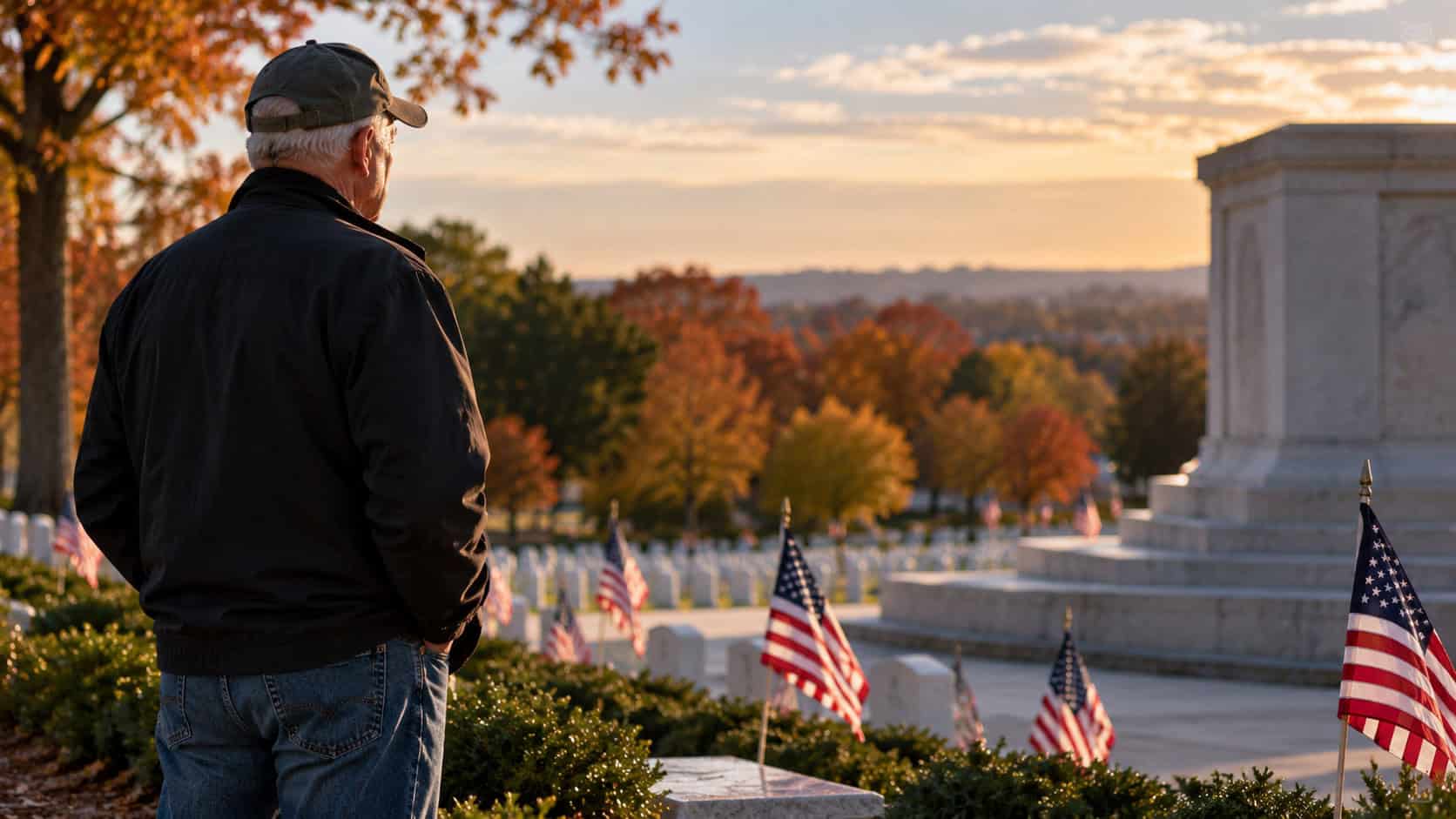
Veterans Day and Memorial Day are both national observances tied to American military service, but they are not interchangeable. Understanding the difference between Veterans Day vs Memorial Day is one of the simplest ways Americans can show respect for the people each holiday was created to honor.
Veterans Day, observed every November 11, honors America’s veterans and their service in the United States Armed Forces. Memorial Day, observed on the last Monday in May, is specifically a day of remembrance for the men and women who died while serving the nation.
Both holidays carry gratitude, sacrifice, and national memory. But the emphasis is different. One asks the country to recognize military service across generations. The other asks Americans to stop and remember those whose service ended with the ultimate sacrifice.
That distinction matters. Knowing the history behind each day helps keep both observances meaningful instead of allowing two important American traditions to blur into one.
Quick Comparison: Veterans Day vs. Memorial Day
Veterans Day: Observed every November 11. It honors America’s veterans and recognizes service in the United States Armed Forces.
Memorial Day: Observed on the last Monday in May. It is the nation’s foremost annual day to mourn and honor deceased military service members, with particular focus on those who died in service to the country.
The key distinction: Veterans Day recognizes military service. Memorial Day centers remembrance on those who died while serving.
What Is Veterans Day?
Veterans Day is a federal holiday observed on November 11 every year, regardless of the day of the week on which the date falls. Its roots reach directly back to the end of World War I.
Fighting between the Allied nations and Germany ceased when an armistice went into effect at the eleventh hour of the eleventh day of the eleventh month in 1918. Although the Treaty of Versailles formally ended the war the following year, November 11 became the date most closely associated with the end of the fighting.
President Woodrow Wilson marked the first anniversary in 1919 with an Armistice Day proclamation. Congress later recognized the observance, and in 1938 November 11 became a legal federal holiday known as Armistice Day.
The meaning of the holiday broadened after millions more Americans served during World War II and the Korean War. In 1954, Congress changed the name from Armistice Day to Veterans Day so the observance could honor American veterans beyond World War I. President Dwight D. Eisenhower issued the first Veterans Day proclamation later that year.
The Department of Veterans Affairs history of Veterans Day documents that progression from the 1918 armistice to the modern November 11 observance.
Why Veterans Day Is Always November 11
For a brief period, Veterans Day did not fall on November 11.
The Uniform Holiday Bill signed in 1968 shifted several federal holidays to Mondays in an effort to create more three-day weekends. Veterans Day was included, and the first observance under the new system occurred on October 25, 1971.
The change proved unpopular. The historical connection to November 11 remained important to states, veterans organizations, and many Americans. In 1975, President Gerald Ford signed legislation restoring Veterans Day to November 11 beginning in 1978.
Today, federal law still identifies Veterans Day as November 11.
What Is Memorial Day?
Memorial Day has a different purpose and a different historical path. It is observed on the last Monday in May and is the country’s foremost annual day to mourn and honor deceased American military service members.
Its roots grew out of the enormous loss of life during the Civil War. Communities across the country began decorating soldiers’ graves with flowers and holding springtime remembrance ceremonies during and after the war.
In 1868, Grand Army of the Republic Commander-in-Chief John A. Logan issued General Orders No. 11, establishing a nationwide Decoration Day devoted to remembering the war dead and decorating their graves.
Over time, the observance expanded beyond the Civil War and became known as Memorial Day. The federal government later moved the holiday from its traditional May 30 date to the last Monday in May under the same federal holiday legislation that rearranged several observances beginning in 1971.
The National Cemetery Administration’s Memorial Day history traces both those early grave-decoration traditions and the development of the modern holiday.
The Biggest Difference: Service and Remembrance
The simplest distinction is useful, but it deserves a little precision.
Veterans Day honors veterans for their military service. The holiday is often especially associated with recognizing and thanking living veterans, but its historical and official purpose is broader than saying that it belongs only to veterans who are alive.
Memorial Day is specifically centered on Americans who died in military service. Its traditions of cemetery visits, grave decoration, remembrance ceremonies, and moments of reflection grow directly from that purpose.
Veterans Day asks us to recognize service. Memorial Day asks us to remember those whose service ended in sacrifice. Respecting the difference helps us honor both.
That is why casually treating Memorial Day as another general “thank a veteran” holiday can miss its central meaning. Gratitude toward veterans is always appropriate, but Memorial Day itself asks the country to turn particular attention toward the fallen and the families who carry their memory.
Veterans Day vs. Memorial Day at a Glance
- Veterans Day date: November 11 every year.
- Veterans Day purpose: Honor America’s veterans and recognize military service.
- Historical origin: The November 11, 1918 armistice that stopped the fighting in World War I.
- Memorial Day date: The last Monday in May.
- Memorial Day purpose: Mourn and honor deceased military service members, especially those who died while serving the nation.
- Historical origin: Civil War-era grave-decoration observances that developed into Decoration Day and later Memorial Day.
Is Veterans Day the Same as Armistice Day?
Veterans Day grew out of Armistice Day, but the two names reflect different stages in the holiday’s history.
Armistice Day originally commemorated the end of World War I fighting and honored those connected to that conflict. Congress made November 11 a legal holiday under that name in 1938.
After World War II and the Korean War, the scope was broadened. Congress changed the name to Veterans Day in 1954 so Americans could honor veterans of all wars rather than limiting the observance to the First World War generation.
The date remained connected to the original armistice even as the purpose expanded.
How Memorial Day Became a National Tradition
Memorial Day did not begin with a single modern federal holiday proclamation. Its development was more gradual.
During and immediately after the Civil War, communities in different parts of the country held ceremonies to decorate military graves. The National Cemetery Administration notes that these observances involved communities in both North and South and that multiple places have historical claims connected to early memorial traditions.
John A. Logan’s 1868 order helped formalize a nationwide Decoration Day. Over the decades that followed, remembrance expanded to include Americans killed in later wars and conflicts.
That history is important because it explains why cemeteries, graves, flowers, flags, and quiet remembrance remain so closely associated with the holiday today.
America 2 Wear’s guide to why the American flag is folded into a triangle provides additional context on a separate military funeral tradition that many Americans encounter when honoring deceased veterans.
How Americans Can Observe Veterans Day Respectfully
Veterans Day does not require one particular kind of ceremony. The point is recognition of service.
Americans may attend a local Veterans Day ceremony or parade, listen to veterans tell their own stories, support a veterans organization, visit with veterans in their families or communities, or simply offer a sincere acknowledgment of service.
For veterans who choose to display their branch or service connection, military symbols and uniform traditions can also carry specific meanings. For example, the American flag patch worn on certain military uniforms faces differently from the way many people expect. America 2 Wear explains that tradition in Why Is the American Flag Backwards?
Veterans and military families interested in service-related headwear can also see the guide to choosing a military trucker hat, which discusses branch identity and respectful everyday wear.
How Americans Can Observe Memorial Day Respectfully
Memorial Day has a more explicitly commemorative tone.
Many Americans visit cemeteries or memorials, attend remembrance ceremonies, place flowers or flags at graves, learn the stories of fallen service members, and spend time with families who have experienced military loss.
The National Moment of Remembrance also encourages Americans to pause at 3:00 p.m. local time on Memorial Day for a moment of reflection.
Displaying the flag is another long-standing part of national observance. Anyone doing so at home can review America 2 Wear’s American flag etiquette guide for practical guidance on respectful display, lighting, weather, placement, care, and retirement.
Why the Difference Matters
There is no competition between Veterans Day and Memorial Day. One is not more patriotic, more solemn, or more important than the other. They preserve different parts of the American military story.
Veterans Day reminds the country that military service continues beyond the battlefield and beyond one generation. Millions of Americans have worn the uniform, returned home, built families and careers, contributed to their communities, and carried the experience of service into civilian life.
Memorial Day reminds us that some never had that opportunity.
A country that values service should be able to do both things well: thank those who served and remember those who did not return.
Honor the Meaning Behind What You Wear
Patriotic clothing cannot replace remembrance, gratitude, or personal respect. But for people who choose to wear American symbols around Veterans Day, the strongest connection is when the symbol reflects an understanding of what the day actually represents.
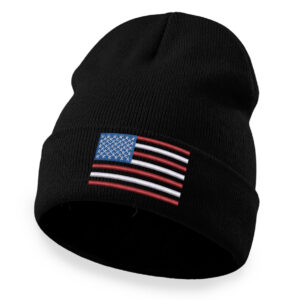
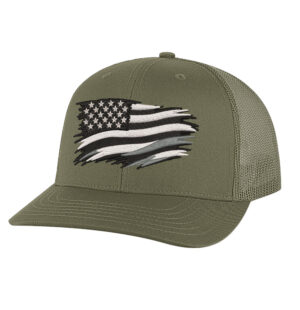
With November bringing cooler weather across much of the country, these three current America 2 Wear pieces offer a seasonally practical mix of flag-centered apparel without turning Veterans Day into a sales event.
-

Patriotic Beanies, American Eagle & Flag Apparel, Patriotic Hats & Headwear
$24.99Select options This product has multiple variants. The options may be chosen on the product page -

Patriotic Hats & Headwear, American Eagle & Flag Apparel, Patriotic Trucker Hats
$29.99Select options This product has multiple variants. The options may be chosen on the product page -
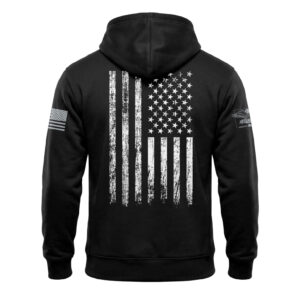
Patriotic Hoodies & Sweatshirts, American Eagle & Flag Apparel, Full Front Graphic Hoodies
Price range: $49.99 through $56.99Select options This product has multiple variants. The options may be chosen on the product page
Frequently Asked Questions About Veterans Day vs. Memorial Day
What is the main difference between Veterans Day and Memorial Day?
Veterans Day honors America’s veterans and recognizes military service in the United States Armed Forces. Memorial Day is specifically a day to mourn and honor deceased military service members, especially those who died while serving the nation.
Is Veterans Day only for living veterans?
No. Veterans Day honors America’s veterans broadly, although thanking and recognizing living veterans is an especially visible part of the modern observance. The clearest distinction is that Memorial Day is specifically centered on remembering deceased service members and the fallen.
Why is Veterans Day celebrated on November 11?
November 11 marks the armistice that stopped the fighting between the Allied nations and Germany in World War I. It took effect at the eleventh hour of the eleventh day of the eleventh month in 1918. The United States first observed the anniversary as Armistice Day and renamed it Veterans Day in 1954.
Why is Memorial Day on the last Monday in May?
Memorial Day was traditionally observed on May 30. Federal legislation enacted in 1968 moved the observance to the last Monday in May, with the Monday holiday schedule taking effect in 1971.
Was Veterans Day originally called Armistice Day?
Yes. November 11 became a federal holiday known as Armistice Day in 1938. Congress renamed the holiday Veterans Day in 1954 after World War II and the Korean War broadened the need to recognize veterans of more than one conflict.
Is Memorial Day meant to honor all veterans?
Memorial Day is specifically centered on deceased military service members and remembrance of the fallen. Veterans Day is the broader federal observance dedicated to honoring veterans and military service.
What time is the National Moment of Remembrance on Memorial Day?
The National Moment of Remembrance is observed at 3:00 p.m. local time on Memorial Day. Americans are encouraged to pause briefly in remembrance of those who died in service to the nation.